

K&N GEMS : ค้นหาหนังสือธรรมะ หน้า 43 / 336
หน้าหนังสือทั้งหมด
18
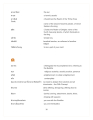
Glossary of Buddhist Terms
ดวงอาทิตย์ the sun
ดาบส a hermit; ascetic
ดาวดิงส์ (Tavatimsa) the Realm of the Thirty-three
Gods; name of the second heavenly abode, of which
Sakka is the king
ดูริตา (Tusita) the Realm of
เนื้อหานี้เป็นการรวบรวมคำศัพท์สำคัญในพระพุทธศาสนา รวมถึงคำที่เกี่ยวข้องกับการตรัสรู้ การปฏิบัติธรรม และคำที่เกี่ยวกับอาวาสในสวรรค์ เช่น ดาวดิงส์ และดูริตา คำศัพท์เหล่านี้ช่วยในการเข้าใจแนวคิดทางพุทธศา
28
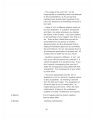
Understanding Sin in Buddhism vs. Western Religions
-- The usage of the word "sin" can be inappropriate or misleading when one attempts to discuss Buddhism, as its concept and meaning have already been ingrained in the mind of a westerner as something
การใช้คำว่า 'บาป' อาจไม่เหมาะสมเมื่อพูดถึงพุทธศาสนา เนื่องจากความหมายของคำนี้ถูกฝังอยู่ในจิตใจของชาวตะวันตกว่าทุกคนเกิดมาพร้อมกับบาป ในศาสนายูดาย คริสต์ และอิสลาม บาปเกิดจากการไม่ปฏิบัติตามคำสั่งของพร
31
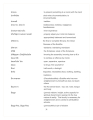
คำศัพท์และปรัชญาในพระพุทธศาสนา
ประเด็น to present (something to a monk) with the hand
ประทับยืน clock-wise circumambulation; to
ประเพณี tradition
ประมาณ, ประมาณ recklessness; reckless; negligence; heedlessness
ประสบการณ์ภาย
เนื้อหานี้ได้รวบรวมคำศัพท์และความหมายเกี่ยวกับพระพุทธศาสนา เช่น ปรินิพพานซึ่งหมายถึงการบรรลุธรรมขั้นสูงสุดของพระพุทธเจ้า การปล่อยให้วาง การปรับความสมดุลในชีวิต และความสำคัญของปัญญาซึ่งเป็นกุญแจในการมอ
33
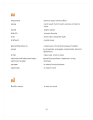
ผลของกรรมและบุญในวิชาชธรรมกาย
ผ ผลของกรรม kamma result; kamma effect
ผลบุญ merit result; fruit of merit; outcome of merit or virtue
ผ่องใส bright; radiant
ผังสำเร็จ
เนื้อหานี้กล่าวถึงผลของกรรมและบุญในวิชาชธรรมกาย โดยเน้นที่การเผยแผ่การทำความดีและความเมตตาให้กับผู้อื่น นอกจากนี้ยังมีการพูดถึงวิธีการฝึกฝนจิตใจเพื่อสร้างความสงบและความสุขในชีวิต การใช้ผ้าฝ่าหรือผ้าไต
50
Knowledge and Practices in Insight Meditation
วิจกิฉานา, ความลังเลสงสัย doubts, uncertainty
วิชชา (vijjā) knowledge
วิชชาธรรมกาย (vijjā Dhammakāya) Knowledge of the Dhammakaya; The Dhammakaya Tradition. This Tradition is based on wisdom gaine
เนื้อหานี้เกี่ยวกับการศึกษาแนวคิดต่างๆ เกี่ยวกับวิชชา วิญญาณ และการปฏิบัติในวิปัสสนา ซึ่งเป็นกระบวนการฝึกจิตเพื่อสร้างความเข้าใจในความจริง ภายใต้แนวทางของธรรมกาย ความสำคัญของการระลึกถึงความดีของพ่อแม่
70
Understanding Buddhism: A Cosmic Religion
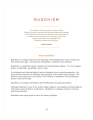
BUDDHISM
‘The religion in the future will be a cosmic religion.
It should transcend a personal God and avoid dogma and theology.
Covering both the natural and the spiritual, it should be based on
Buddhism, founded by the Buddha over 2,500 years ago, emphasizes freedom from suffering and is based on logical, practical principles. This religion transcends blind faith and superstitions, making it
72
Understanding Nirvana and the Path to Enlightenment
Nirvana
Nirvana (Pali, Nibbanna) is the state of ultimate happiness -- the happy condition of enlightenment -- the highest spiritual attainment. This is not the sense-based happiness of everyday life;
Nirvana, or Nibbanna, represents the ultimate state of happiness in Buddhism, transcending the sense-based joys of daily life. Attaining Nirvana marks the end of the rebirth cycle, granting liberation
73
Understanding Dharma and Buddhist Practices
gratitude; there is life after death; heavens and hells exist, and enlightenment is attainable.
Dharma
*Dharma* (Pali, Dhamma) has many meanings: the Truth, the way of the Nature, the right way of l
Dharma, meaning Truth and the way of Nature, is central to Buddhism. Buddhists are guided by three main practices: doing good, avoiding evil, and purifying the mind through meditation. They adhere to
75
The Early Years of the Buddha
www.dharmmakaya.or.th
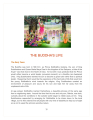
THE BUDDHA'S LIFE
The Early Years
The Buddha was born in 566 B.C. as Prince Siddhattha Gotama, the son of King Suddhodana and Queen Maha Maya Dewi in the kingdom of the Sakyans,
The Buddha, born as Prince Siddhattha Gotama in 566 B.C., was the son of King Suddhodana and Queen Maha Maya in the Sakyans kingdom of North India. Predicted to become either a world leader or a Buddh
81
Understanding the Five Aggregates, Tenfold Path of Wholesomeness, and Four Lofty States of Mind
Khandha 5 Five Aggregates (elements, attributes of being)
1. Rupa form, physical self, body. Rupa is made up of earth, water, air, fire (heat)
2. Vedana feeling, is one of pleasant, unpleasant, ne
This text delves into three significant aspects of Buddhist philosophy: the Five Aggregates which consist of Rupa (form), Vedana (feeling), Samjna (perception), Sankhara (conception), and Vinnana (con
85
The Importance of Mental Cultivation Through Meditation
- Mental Cultivation (bhavana) through meditation. Mind is the most important
composite of the entire human entity. The mind is the source of all actions, good or
bad. Good thoughts produce good a
Mental cultivation (bhavana) through meditation is essential for achieving inner peace and a clear mind. The mind is the source of all actions, and its state greatly influences one's life and deeds. G
88
Understanding the First Two Precepts of Buddhism
Benefits for keeping the First Precept—Not to Kill
• You will be free from physical disability; you will have good appearance and beauty
• You will have superior physical attributes and strength
• You
The First Precept emphasizes the importance of not killing, which leads to various physical and mental benefits, including a long life and good health. Meanwhile, the Second Precept addresses stealing
89
Understanding Karma and Retribution for Stealing and Sexual Misconduct
The amount of effort put into the stealing -- The more effort put into the stealing, the more serious the retribution.
According to the Law of Karma, all actions produce consequences, good or bad. Pu
การลงโทษจะต้องตรงกับอาชญากรรม อาชญากรรมการขโมยทำให้เกิดความทุกข์ให้ผู้อื่น ซึ่งการทำผิดที่ทำให้ผู้อื่นเดือดร้อนมากจะมีโทษที่รุนแรงกว่า อย่างเช่น ถ้าขโมยทำให้ผู้ถูกขโมยทุกข์ยากมาก จะถูกลงโทษหนัก เช่น อ
93
Understanding Merit and Its Impact on Life
MERITS
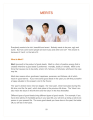
Everybody wants to be rich, beautiful and smart. Nobody wants to be poor, ugly and dumb. But how come some people are born lucky and other are not? The answer is because of ‘merit’, or the lac
Merit is the product of good deeds and serves as a positive energy that can lead to being rich, beautiful, and smart. It encompasses virtue and goodness, influencing one's present and future based on
95
Understanding Merit and Its Impact on Life
someone who is angry or hateful. When we are happy and content with ourselves, we project a personality of self-confidence and social grace. For this reason, merit can indeed change our personality to
Merit is an integral part of our personality, bringing satisfaction and contentment while enhancing social grace and self-confidence. It cannot be transferred, as it belongs solely to the individual.
96
Understanding Merit and the Law of Cause and Effect
Merit Results
We benefit from merit in four levels:
1. The mind -- improving the quality and the potentiality of the mind.
2. The personality -- improving our demeanor and the way we project oursel
Merit affects our lives on four levels: mental improvement, personality enhancement, lifestyle benefits, and societal contributions. The Law of Karma states every action has a corresponding consequenc
97
Ten Ways to Perform Good Deeds
Powerless - being jealous in others' success; having ill will
High social standing - being respectful to the virtuous; humble
Low social standing - being arrogant and disrespectful to the virtuous; la
This text outlines ten good deeds that enhance merit, including acts of giving, adherence to moral precepts, and mental cultivation through meditation. It emphasizes the importance of generosity in co
99
Types of Generosity: Understanding Charitable Giving
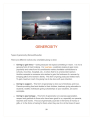
GENROSITY
Types of generosity (Danavatthusutta)
There are different motives why charitable giving is done:
• Giving to gain favor – Giving because we expect something in return. It is not a genuine
This text discusses various motives for charitable giving as outlined in the Danavatthusutta. It identifies three main types of generosity: giving to gain favor, which is insincere and often seeks som
101
The Art of Charitable Giving for Maximum Merit
Objects not suitable for giving
• Alcoholic drinks and intoxicants, including cigarettes, liquors, and illegal drugs
• Shows and entertainment
• Sexual companions (both for people or for animal)
• Mat
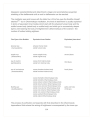
การให้จะต้องมีความบริสุทธิ์ในทุกขั้นตอนเพื่อให้ได้มาซึ่งบุญสูงสุด สิ่งที่ไม่ควรมอบ ได้แก่ เครื่องดื่มแอลกอฮอล์ สื่อลามก อาวุธ และสารพิษ การให้ที่มีความบริสุทธิ์ต้องมีความเชื่อมั่นที่แท้จริง มีความยินด
114
Understanding Dispassion and Detachment in Dhammakaya Meditation
dispassion (ekantanibbida) and detachment (viraga) and accomplishes sequential shedding of the defilements until an end to defilements can be reached.
The meditator sees and knows with the latter fou
This text delves into the significance of dispassion (ekantanibbida) and detachment (viraga) in the process of shedding defilements through meditation. It illustrates the attainment levels based on th